
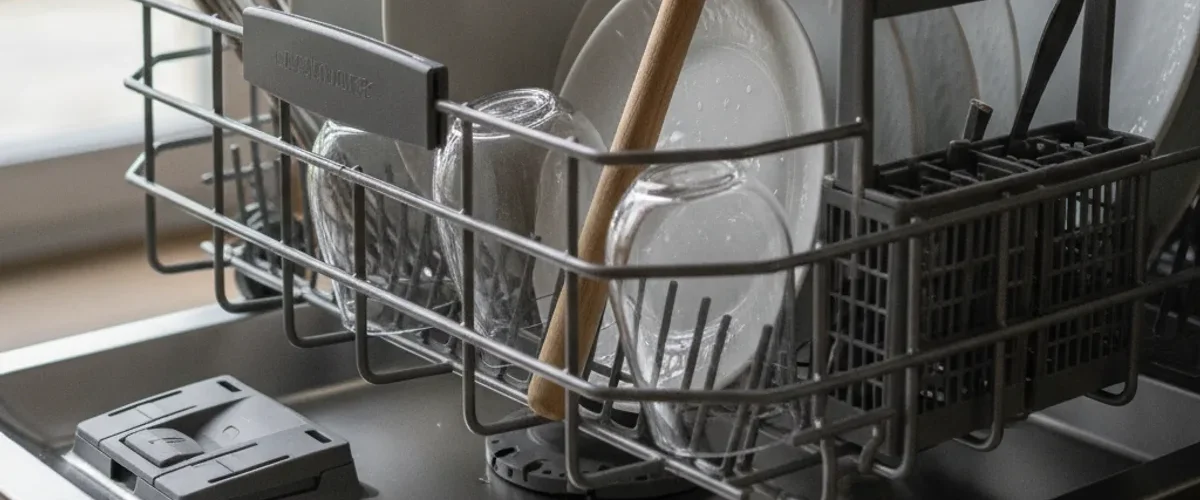
In many modern kitchens, the dishwasher has become an essential appliance, streamlining cleanup and ensuring hygiene. However, questions regularly arise over which utensils and materials are truly safe to be put in the dishwasher. When it comes to wooden implements such as the ubiquitous wooden spoon, concerns range from physical damage to hygiene issues and long-term usability. Understanding the science and expert recommendations regarding dishwashers and wood utensils helps prevent mistakes and prolongs the lifespan of your kitchen tools.
What happens to wooden spoons in a dishwasher?
Wooden spoons are valued for their strength, gentle touch on cookware, and aesthetic qualities. Yet, wood is an organic, porous material, meaning it reacts over time to changes in moisture and temperature. Dishwashers are designed to clean by using hot water, powerful detergents, and high heat drying cycles. This environment, while perfectly suited for metal and hard plastic, is far more challenging for wood.
Several common effects occur when a wooden spoon is repeatedly put in the dishwasher:
These effects not only diminish the appearance of your utensils, but also reduce their longevity and safe use in food preparation. Understanding this progression illustrates why most cooking experts advise against putting wooden spoons in the dishwasher.
Are there exceptions for certain types of wooden utensils?
Home chefs may wonder if all wooden spoons react the same way, or if certain woods or finishes make exceptions. Generally, the quality and type of wood, as well as any treatment or sealant, will influence how an item endures dishwasher cycles. Hardwoods like maple or beech show greater resistance compared to softer pines, but no wooden spoon is entirely immune to the effects of moisture, heat, and detergent combined. Some manufacturers now claim to offer ‘dishwasher safe’ wooden utensils, typically finished with a heavy-duty sealant or resin.
There are considerations to keep in mind before assuming these products offer true immunity:
For these reasons, most culinary professionals remain cautious, suggesting that hand washing—even with promoted dishwasher-safe items—remains the best course for wooden kitchen utensils.
What is the best way to clean and care for wooden spoons?
Proper care extends the usable life and safety of your wooden spoons. Unlike some utensils that can handle high temperatures and aggressive cleaning, wood benefits from a gentler approach. Here is a straightforward process that balances cleanliness with preservation:
Following these practices not only keeps wooden spoons clean, but also intercepts bacteria and keeps the implement in top condition. Thorough drying is especially important to prevent lingering bacteria in any porous areas of the wood.
Are the hygiene concerns for wood in the dishwasher justified?
Food safety is a critical concern when discussing kitchen utensils. Critics argue that wood’s porous nature allows it to harbor bacteria or absorb odors. Studies have shown, however, that wood possesses natural antibacterial properties, and with regular, proper cleaning, is as safe as metal or plastic. Dishwashers do expose wooden spoons to harsh chemicals and temperatures, but the resulting damage—cracks and splits—can then provide a breeding ground for bacteria.
Hand washing, combined with quick drying and occasional oiling, actually protects the wood and allows its beneficial traits to remain intact. It is also vital to routinely inspect utensils for deep gouges, cracks, or signs of mold, discarding any that show significant damage or odor that cannot be washed away. For more in-depth information regarding kitchen safety measures, visitors can consult the kitchenware compliance and safety guidelines section on our website, which covers broader legal requirements for food safe materials.
Can the dishwasher affect other kitchen tools made of wood?
Beyond wooden spoons, many modern households contain chopping boards, spatulas, salad tongs, and even decorative items made from wood. The vulnerabilities described with regard to the spoon—warping, splitting, and finish degradation—apply equally to all these items. If preserving the appearance and functionality of your entire wood utensil set is important, the dishwasher should be avoided for any wooden implements.
Some modern boards are now manufactured with advanced coatings or are combined with other materials to resist water and bacteria. While these features do add some dishwasher tolerance, periodic hand cleaning remains recommended by experts to avoid undermining the protective seal over time. Those interested in the complete inventory of common kitchen tools can find a comprehensive list by visiting our full kitchenware directory.
What are the long-term consequences if wooden spoons are regularly put in the dishwasher?
The effects on a wooden spoon are cumulative when exposed to dishwasher cycles. With each run, the potential for microscopic cracks, rough surfaces, and breakdown of protective coatings grows more pronounced. Over time, wooden spoons may appear faded, splintered, and become less pleasing to use, and this can shorten utensil lifespan dramatically—even when the item was of high initial quality. Additionally, as these defects appear, there is a greater risk of harboring harmful bacteria, making the kitchen less safe.
Replacing worn or damaged wooden kitchen items more frequently can become an expensive habit, further providing incentive to invest just a small amount of effort into regular hand washing and maintenance. The longevity of high-quality utensils depends on observing best practices rather than seeking shortcuts through machine washing.
Is it ever appropriate to sanitize wooden spoons in a dishwasher?
Some situations may call for more intense cleaning, such as after preparing raw meat or fish or following a kitchen accident. While the dishwasher offers a tempting sanitization solution, its drawbacks remain. For important or beloved utensils, hand scrubbing combined with periodic treatment using a diluted vinegar solution, or heating by briefly submerging in boiling water (for no longer than a few minutes), offers effective alternative disinfection. After such treatments, allow wood to dry completely, apply oil, and assess for lingering odors or stains before the next use.
Ultimately, respecting the unique qualities of wood by reserving industrial cleaning for only the most necessary situations helps preserve both health and the utensil itself. When in doubt, prioritize gentle care routines combined with frequent inspection, and retire any utensil showing signs of irreversible damage.