
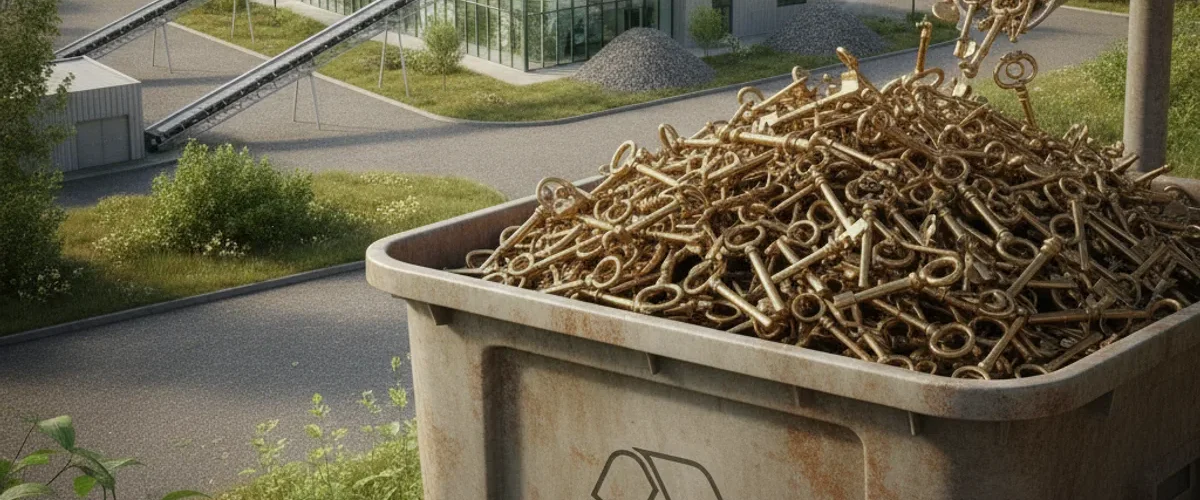
With increasing attention on environmental responsibility, individuals and businesses are investigating new ways to reduce waste in everyday life. Among the commonly overlooked household objects are old keys, which accumulate over time as locks are replaced, homes change, and keychains evolve. The question arises: can these obsolete keys be recycled, or should they be destined for the trash bin? Understanding the recycling potential, challenges, and eco-friendly alternatives for old keys helps to foster informed and sustainable choices.
What materials are old keys made from?
Recognizing the composition of keys is the first step to understanding their recyclability. Most traditional keys, such as house and office keys, are manufactured using metals like brass, nickel, or steel. Automobile keys might incorporate additional substances, from electronic components in transponder keys to plastic casings for older models. Key fobs and modern key cards may integrate batteries, computer chips, and other mixed materials.
The variances in composition affect the recommended recycling pathways and likelihood of acceptance at recycling facilities.
Are recycling centers willing to accept old keys?
Whether your local recycling facility accepts old keys largely depends on how they process scrap metal. Keys made entirely of metal—without attached plastic covers or electronics—are generally accepted at most scrap metal recycling sites. When considering curbside recycling bins, however, many programs do not include small metal objects, as these can become lost during sorting or jam machinery.
Larger dedicated scrap metal centers typically welcome the following:
Keys with embedded electronic elements or made primarily of plastic may require special handling. Electronic waste recycling centers are better suited for key fobs and smart keys, ensuring proper management of batteries and circuitry.
What is the recycling process for metal keys?
The journey your old keys take upon delivery at a recycling center mirrors other forms of scrap metal recovery. Staff typically sort and grade the metals before sending them to shredder facilities. Next, keys are melted and purified, separating alloys such as copper, zinc, and nickel. These raw materials are then sold to manufacturers for use in making new products such as plumbing fixtures, car parts, or even new keys.
The precise process follows several critical steps:
This reuse of non-renewable resources helps conserve energy and reduce the demand for virgin mining, which is a significant benefit for both the environment and producers.
How can you prepare keys for recycling?
Before transporting old keys to a recycling facility, a few preparatory actions can maximize their recoverable value:
Some recycling programs and scrap yards prefer that you clean keys to eliminate grease, adhesives, or foreign substances. Always consult your nearest facility’s guidelines for specific preparation protocols and inquire whether they provide bins or drop-off locations tailored to metal key collection.
Are there unique recycling programs for keys?
In some regions, specialized recycling initiatives exist specifically for old keys. Non-profits and charitable organizations sometimes run fundraising campaigns, collecting donated keys, selling them as scrap metal, and using proceeds to support community projects. These drives are a simple yet impactful way for individuals and companies to support both sustainability and local causes while decluttering.
Certain locksmiths or hardware stores offer drop boxes for used keys, ensuring that keys are diverted from landfills and into recycling streams. When searching for authorized programs, online resources and community bulletin boards can help you locate a responsible key recycling partner. Additionally, consider directories or local resources published on websites such as the comprehensive site map provided by various organizations specializing in waste reduction.
What can you do with old keys besides recycling?
Not all keys need to enter the scrap metal stream. For those interested in reusing or creatively repurposing, old keys present a surprising degree of versatility:
Some communities encourage “key exchanges” where residents can leave surplus keys for others who might use blanks for projects or repairs. Educational institutions may also accept donations of keys for science, engineering, or art classes, integrating them into learning activities that promote hands-on skills and upcycling principles.
What are the environmental benefits of recycling old keys?
Diverting old keys from landfill waste generates measurable advantages for natural ecosystems. Small as they may be, millions of keys disposed worldwide each year represent tons of recoverable metal. By recycling keys instead of discarding them, individuals help to:
When organizations and individuals unite in supporting metal recycling, the cumulative benefits extend well beyond waste reduction, including economic savings, job creation, and the advancement of eco-conscious consumer behavior.
Who should you contact for local recycling options?
Locating the appropriate destination for your old keys usually starts with your municipal waste management authority. Many city governments maintain online directories of accepted materials and facilities, detailing specific requirements for items such as scrap metal, electronics, or household hazardous waste. Recycling search engines or locator tools—offered by environmental non-profits and governmental agencies—further simplify the process of finding key recycling points near your residence or workplace.
When in doubt, consult with your local resource dedicated to community services, which often provide current information on collection centers, disposal guidelines, and eco-friendly alternatives tailored to your neighborhood.