
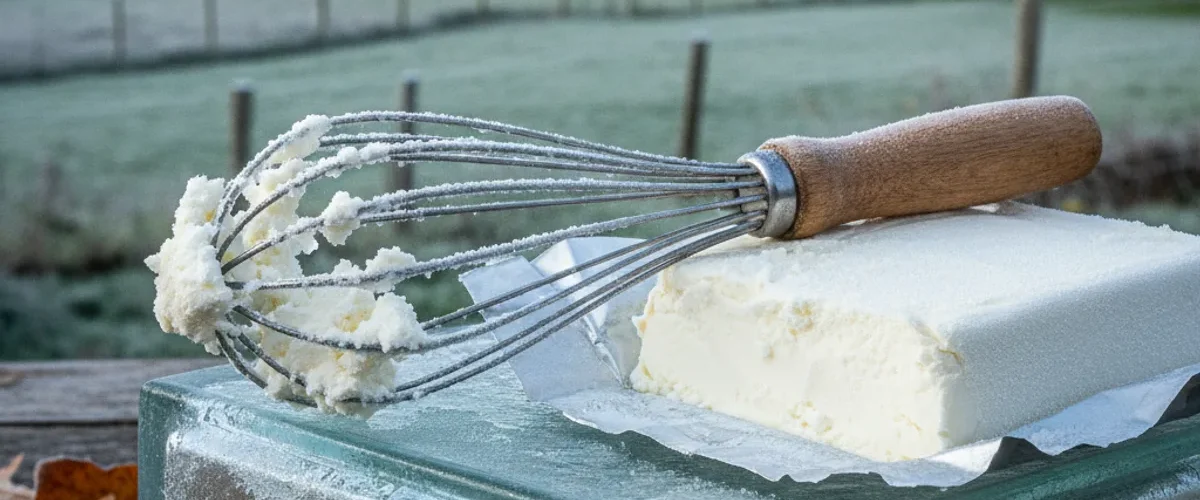
Cream cheese is a popular dairy product often used in baking, cooking, and as a spread on bagels or toast. However, there are times when you have more cream cheese than you can use before its expiration date and wonder about long-term storage solutions. One frequently asked question among home cooks is whether freezing cream cheese is a viable method to preserve its freshness and flavor for extended periods. Understanding the properties of this cheese, its reactions to low temperatures, and the best practices for freezing and thawing can help ensure that you get the most out of your supply.
How does freezing affect cream cheese’s texture and quality?
Cream cheese has a distinct smooth and creamy texture, which is one of its main selling points. However, the water content in cream cheese makes it sensitive to freezing. When it is placed in the freezer, ice crystals form and disrupt the cohesive structure of the emulsion, leading to separation. This process results in a grainy or crumbly texture upon thawing, with some noticeable changes in consistency. While the flavor remains mostly unchanged, the textural shift can be significant, depending on the brand, fat content, and additives present in the product.
The change in texture means that previously frozen cream cheese is usually not ideal for spreading on bagels or crackers, where creaminess is king. Nonetheless, it remains suitable for recipes where it will be heated or blended, such as in baked goods or certain sauces, where textural issues are less discernible.
What steps should you follow to freeze cream cheese properly?
If you decide that freezing is necessary, taking a few preparatory steps can help maintain the best possible quality. The packaging plays a crucial role in how well cream cheese weathers the cold:
Properly stored, cream cheese can be kept frozen for up to two months. Beyond this period, while still safe, it may exhibit an increased loss of quality and separation when thawed.
How should you thaw frozen cream cheese for the best result?
Thawing frozen cream cheese requires patience to ensure optimal results. A slow thaw is always preferable for dairy products, helping minimize further textural issues. The best way to defrost cream cheese is to place it in the refrigerator overnight, allowing it to return gradually to a safe temperature. Avoid using the microwave or leaving the product at room temperature for extended periods, as rapid warming can exacerbate the separation and possibly promote bacterial growth.
What dishes work best with previously frozen cream cheese?
The post-thaw texture of cream cheese is most noticeable when the cheese is used straight out of the package as a spread or dip, where creaminess and smoothness are required. However, recipes that involve heating or baking can effectively mask any textural degradation. Previously frozen cream cheese blends seamlessly into the following preparations:
If you seek more guidance on food safety and the optimal way to preserve different ingredients, you can browse information and resources on this comprehensive index of food topics.
Does freezing work for all types and brands of cream cheese?
Not all cream cheese is created equal regarding its ability to withstand freezing. Full-fat versions tend to survive the process better than their reduced-fat or fat-free counterparts. The high-fat content in traditional cream cheese provides more stability to the emulsion, resulting in less separation when thawed. In contrast, low-fat and whipped varieties often contain more water and stabilizers, making them more susceptible to graininess and disappointment after freezing. Additionally, products with added herbs or fruit may also experience discoloration or flavor changes after thawing.
Homemade cream cheese and commercial brands with cleaner ingredient lists can sometimes fare better than processed spreads with complex additives. Therefore, if you plan to freeze cream cheese regularly, experiment with a small batch to assess the post-thaw texture before committing a larger amount to the freezer.
Are there alternatives to freezing for long-term preservation?
If you have an excess supply of cream cheese but want to preserve both taste and texture, consider alternative storage methods. For shorter-term needs, the refrigerator remains the best option, but products should always be sealed tightly to prevent absorption of other odors and drying out. Alternatively, incorporate surplus cream cheese into recipes that freeze well themselves, like casseroles or cheesecakes, ensuring proper integration before freezing rather than freezing the cheese alone.
Another option for those interested in sustainable and safe food practices is to review the legal guidelines on food labeling and preservation practices to better understand how dairy expiration dates work and how product safety is monitored. Whenever possible, buy smaller packages or plan recipes in advance to minimize waste and increase the chances of using your cream cheese while at its best.
Bottom line: can you freeze cream cheese without significant drawbacks?
Freezing cream cheese is possible and safe, particularly for those looking to extend its shelf life or use up surplus stock. Expect noticeable changes in texture, with a shift from creamy and smooth to mildly grainy or crumbly, especially after thawing. While these alterations impact applications where the product is eaten fresh, the cheese remains a reliable ingredient for baked goods, soups, sauces, and other recipes involving heat and mixing. Following careful wrapping, slow thawing, and attentive handling help ensure the highest possible retention of flavor and usability in a wide variety of dishes. By weighing the pros and cons of freezing cream cheese, you can make informed decisions that fit your culinary needs and household routines.