
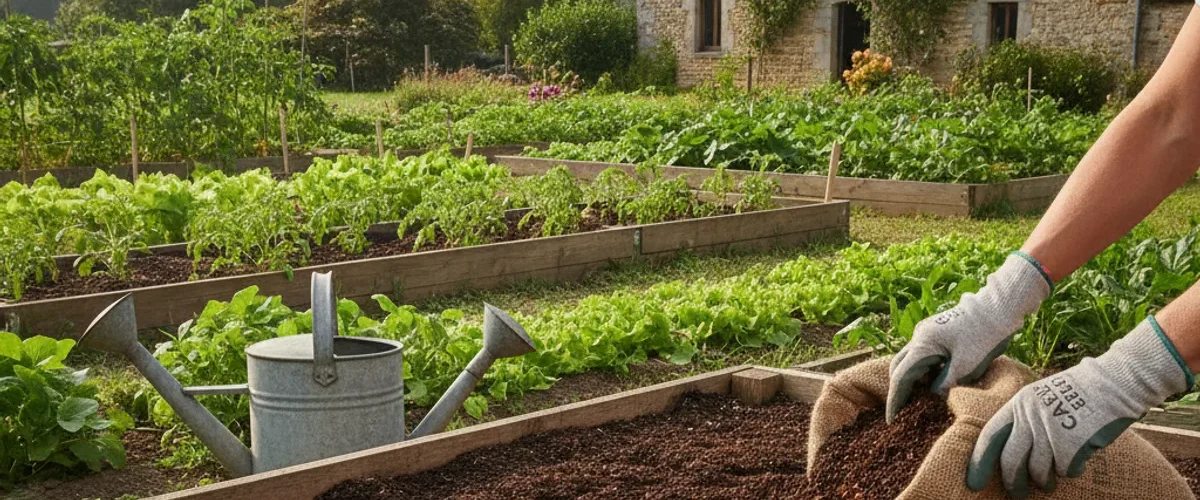
Coffee grounds are a widely available household waste product, and many gardening enthusiasts wonder about their suitability for the vegetable garden. Repurposing espresso or drip brew remnants as soil amendments is both an environmentally conscious choice and a potential means of nourishing crops. However, anecdotal advice has driven confusion about this sustainable practice. Here’s what gardeners need to know about the careful application of coffee grounds for vegetables, considering plant health, soil fertility, and environmental impact.
How do coffee grounds affect vegetable garden soil?
Coffee grounds have long been promoted as a valuable addition to garden compost. Chemically, spent coffee grounds are slightly acidic to neutral, but their true impact on soil pH and structure is nuanced. When applied correctly, they can improve soil texture, add organic matter, and provide trace amounts of nutrients that vegetables require.
Some key benefits of integrating coffee grounds into vegetable beds include:
However, the effects are not solely positive. Overapplication of coffee grounds, especially as a thick mulch layer, may compact into a crust, impeding air and water penetration. Additionally, the acidity of fresh, unwashed coffee grounds can mildly affect the pH of particularly alkaline soils, but for most home gardeners using spent grounds in moderation, the change is negligible.
Which vegetable plants benefit most—or least—from coffee grounds?
Gardeners keen on maximizing vegetable yields often seek soil amendments best suited for specific crops. Coffee grounds can theoretically benefit nitrogen-hungry plants, but the impact varies based on vegetable type:
It’s essential to recognize that direct application of coffee grounds can suppress seed germination and possibly inhibit the growth of delicate seedlings. As a precaution, avoid using undiluted grounds where young plants or newly sown seeds are establishing themselves.
Are there risks or drawbacks to using coffee grounds in vegetable beds?
Coffee grounds hold potential as an element of sustainable gardening, but improper application can cause issues. The most notable risks include:
Moderation is key. Scientists recommend blending coffee grounds with other compost materials or mixing them evenly into topsoil rather than applying in undiluted, thick layers. Doing so promotes microbial activity while minimizing adverse effects on plant development.
How can you safely add coffee grounds to your vegetable garden?
Incorporating coffee grounds demands careful technique. To guard against compaction and nitrogen lockout, follow best practices such as these:
This method allows coffee grounds to break down gradually, feeding beneficial soil organisms and enriching beds over time. The inclusion of diverse compostable materials also counteracts the risk of any single amendment negatively impacting the ecosystem of a vibrant vegetable garden.
What are common misconceptions about using coffee grounds?
Many myths circulate about the efficacy or dangers of coffee grounds in horticulture. Discerning gardeners should be aware of the most widespread misunderstandings, such as the belief that coffee grounds universally repel slugs and snails or serve as a strong fertilizer. There is limited scientific support for claims that used coffee grounds will eliminate pests; some anecdotal deterrence may occur, but reliance on this method for pest control is not advised.
Similarly, assuming that coffee grounds alone can significantly improve poor soil or replace a balanced fertilizer is mistaken. Their nutrient content is modest, and for optimal vegetable growth, a full soil management program is needed. Composting, crop rotation, and thorough bed preparation play much more substantial roles in supporting vegetables through the growing season.
For readers interested in broader sustainable gardening methods or legal considerations around garden practices, it may be helpful to consult resources like legal guidelines about garden waste management.
How does the use of coffee grounds relate to overall garden sustainability?
Repurposing kitchen byproducts such as coffee grounds aligns with eco-friendly gardening principles. By diverting organic waste from landfills, gardeners reduce their environmental footprint and foster richer, more resilient soils. Coffee grounds, when part of an integrated approach that balances green and brown compostable material, help optimize nutrient cycles and promote beneficial microbial communities. Their inclusion supports efforts to create closed-loop food systems within residential plots—as part of a wider movement towards sustainability in home gardening.
For a comprehensive overview of all environmentally conscious practices relevant to gardening, readers may wish to view the site’s complete navigation list containing various gardening topics.
In summary, the judicious use of coffee grounds can benefit select vegetable plantings and contribute to soil vitality. With a measured and informed application, they represent one of many options available for gardeners seeking to improve their harvests and help the planet.