
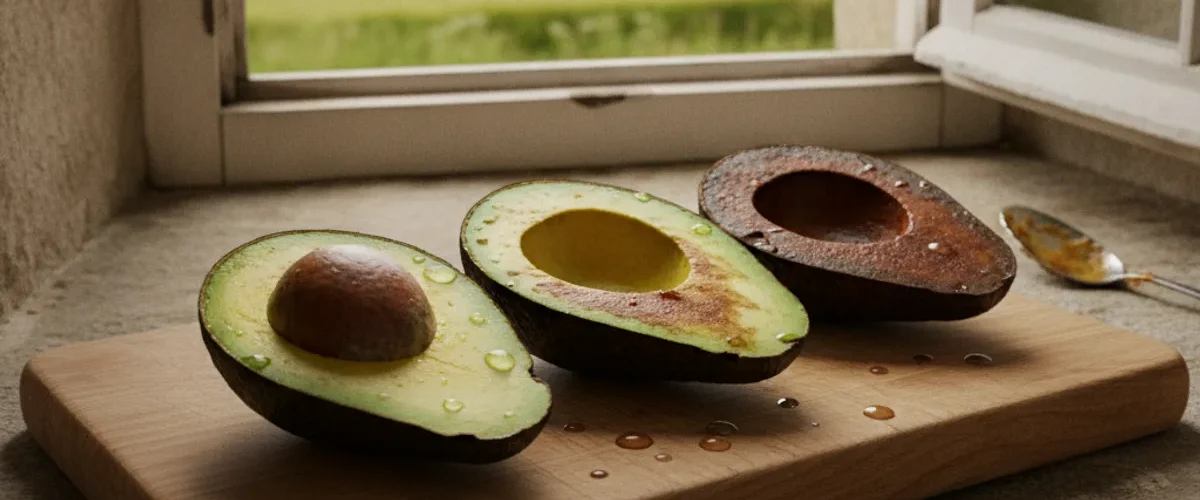
Avocados are lauded for their creamy texture, unique taste, and nutritional richness, but one major drawback troubles consumers worldwide: once cut, avocados seem to brown with surprising speed. This rapid browning can make a fresh slice of avocado look unappetizing in mere minutes. Understanding the underlying causes of this natural process, and the chemical and environmental factors at play, helps us manage—and possibly slow—this inevitable transformation, preserving both flavor and appearance for longer enjoyment.
What Triggers Browning in Avocados?
The main culprit behind browning in avocados is a natural enzymatic reaction triggered when the inner fruit’s flesh is exposed to air. Cutting or damaging the avocado allows oxygen to come in contact with polyphenol oxidase (PPO), an enzyme abundant within the fruit. This enzyme, combined with oxygen, turns naturally-occurring phenolic compounds into brown-colored melanins, resulting in discoloration on the fruit’s surface—a process called enzymatic browning.
This instant reaction explains why even a pristine, perfectly green avocado will develop an unattractive brown hue after being left out. Common triggers that speed up this process include:
These factors combine to create the familiar challenge faced when preparing avocados for salads, guacamole, sandwiches, and other culinary uses.
How Do Environmental Factors Affect Avocado Browning?
Environmental conditions significantly influence the browning rate of avocados. Temperature, humidity, and even light exposure alter the speed and intensity of the enzymatic response. Warmer temperatures, for instance, energize enzymes like PPO, causing oxidation to proceed more rapidly. On the other hand, refrigeration can slow the process, as cold conditions inhibit enzyme activity, temporarily preserving the green color of the fruit’s flesh. However, cold temperatures can also impact texture and flavor if avocados are stored for too long or if they are not fully ripe before refrigeration.
Additionally, moisture loss from exposure to air can further degrade the surface of cut avocados, making them not only browner but also shriveled and less palatable. High humidity environments may mitigate some moisture loss, but do little to inhibit enzymatic oxidation unless paired with limited oxygen exposure. Understanding the delicate balance between environmental influences helps inform practical handling strategies for avocado lovers.
What Role Do Avocados’ Natural Properties Play in Browning?
Not all avocados brown at the same speed—a fact tied closely to the fruit’s inherent properties. The variety, ripeness, and internal composition of each avocado can lead to differences in enzymatic activity and substrate availability. For example, some varieties well-suited to commercial production may resist browning better, due to either lower enzymatic levels or naturally higher antioxidant concentrations. Conversely, overripe avocados with more compromised cell structures enable faster mixing of oxygen and enzymes, making quick browning more likely.
The fruit’s antioxidant content, particularly its presence of vitamin C, naturally counters oxidation. Ascorbic acid serves as a protective agent, neutralizing oxygen and slowing the browning effect. Avocados with higher natural antioxidants will typically maintain their fresh appearance longer than others.
How Can Browning Be Slowed or Prevented?
Given the inevitability of enzymatic browning, kitchen science has yielded a variety of methods to mitigate, delay, or disguise the process. If you are preparing avocados for immediate consumption, consider the following strategies:
These preventive measures, although effective to various degrees, cannot fully halt browning, but they do extend the aesthetic and gustatory enjoyment of avocados for hours—or even up to a day. Such kitchen hacks are particularly relevant when preparing dishes like guacamole in advance for gatherings or meal prep, where both presentation and taste matter most.
Why Is Browning Particularly Fast in Homemade Dishes?
The rapid browning experienced at home compared to commercial products is often the result of a lack of preservatives or controlled storage conditions. Industrially-prepared guacamole and avocado-based spreads frequently contain citric acid, ascorbic acid, or even calcium as a stabilizer. These additives deliberately inhibit oxidation, maintaining both color and freshness even after packaging is opened.
In domestic kitchens, exposure to air for extended periods—such as on an open-faced sandwich or in a salad bowl—accelerates exposure to oxygen, especially if the avocado is mashed or diced into small pieces. Fine chopping increases the total surface area, offering more entry points for oxygen and further activating enzymes. Additionally, the absence of vacuum sealing or specialized packaging means that browning occurs faster than with commercially prepared alternatives. The shelf-life achieved in professional contexts is difficult to replicate at home without the same chemical agents and vacuum-packing technologies. For more information on food preservation and related storage techniques, readers can explore the full site overview.
Is Avocado Browning a Sign of Spoilage or a Health Risk?
Fortunately, the brown color itself does not indicate spoilage or pose a health risk. The melanins formed through enzymatic browning are harmless and occur naturally in many fruits and vegetables, such as apples and potatoes. The most significant impact of browning is typically visual and textural—brown, oxidized avocados may have a slightly different taste and a softer, less appealing consistency. As long as there are no other signs of decay, such as off smells, visible mold, or slimy texture, the fruit remains safe to consume.
However, excessive browning can signal advanced ripening or storage beyond optimal freshness. When accompanied by other negative traits, it may point to further deterioration and the need to discard affected portions. Practicing careful selection, storage, and preparation methods minimizes food waste and maximizes edible yield from each fruit. For consumers wishing to understand more about safe consumption practices and site accountability, the detailed legal information for users provides additional context on best practice guidelines and responsibilities.
What Advances Are Being Made to Combat Avocado Browning?
In response to consumer demand for fresher, longer-lasting avocados, researchers and breeders are investigating various technological and genetic solutions to address the browning dilemma. Some of the most promising approaches include breeding avocado varieties with inherently lower PPO enzyme levels or increased antioxidant concentrations, thus naturally slowing the browning reaction. In parallel, edible coatings made from organic polymers and plant extracts are under development, offering invisible protective barriers that shield the fruit’s flesh from oxygen without altering taste or nutritional value.
Other innovations focus on better packaging techniques, such as modified atmosphere packaging (MAP), which alters the composition of gases surrounding the fruit to significantly slow oxidation. Continued research may also produce safe, consumer-friendly additives for home use, supporting natural preservation methods without relying on synthetic chemicals. These future-oriented strategies will help both commercial producers and everyday consumers extend the shelf-life and enjoyment of this nutrient-rich fruit.
This ongoing evolution in storage and handling is especially important for a produce item as popular and perishable as avocados, whose versatility remains unrivaled in the kitchen. By expanding scientific and culinary understanding, we can continue to enjoy avocados at their best—vibrant, flavorful, and visually appealing.